
Fabulous Fall Fruits
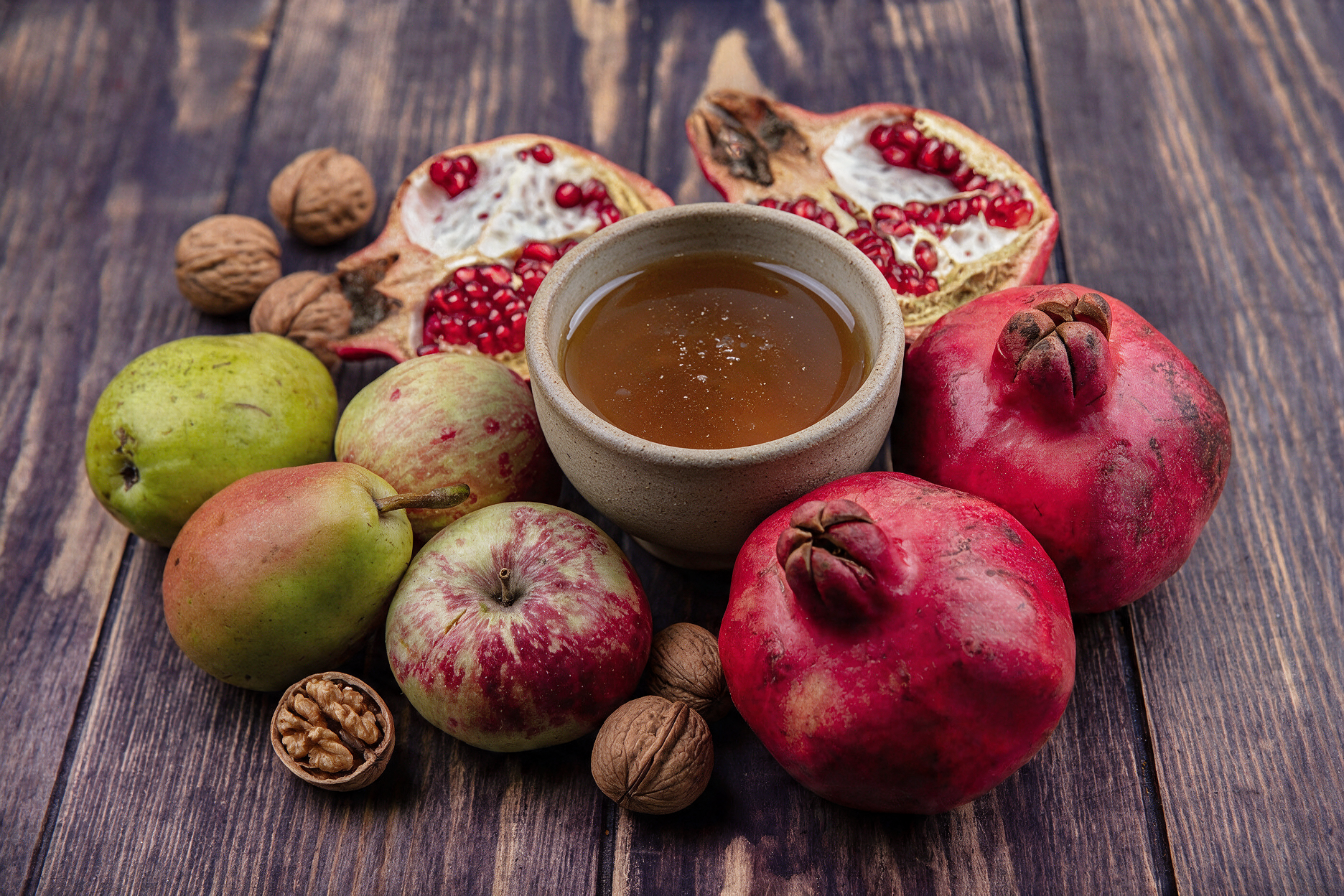
Fall is the time of year when fabulous fruits like apples, pears, and pomegranates are in-season and at their best.
Fresh fruit that’s in-season is usually more plentiful and priced better, and in-season produce retains more nutrients and offers peak flavor. Packed with vitamins, minerals, and fiber, fruit is an important part of a healthy lifestyle.
 Apples
One medium apple has about 95 calories and no fat
- Fresh, whole apples provide the most nutrients
- Many of the apple’s nutrients are lost in processing like juicing or drying and dehydrating
Excellent source of both soluble and insoluble fiber
- One apple provides 1/5 of your daily fiber needs
- Insoluble fiber, found mostly in the skin, helps with bowel regularity
- Soluble fiber helps lower cholesterol, stabilize blood sugar, and makes you feel fuller longer
Great source of vitamin C and phytochemicals
- These antioxidants may protect against cancer and diabetes
- Phytochemicals in the peel may help protect against damage to heart and blood vessels
Last about 6-8 weeks if kept unwashed, in whole form in the refrigerator
- At room temperature, apples ripen 10 times faster than in the refrigerator
Taste great as a snack, either as a whole apple or sliced in small pieces for easier eating
- Makes a great salad topper and can be used in many savory recipes
- Delicious and simple dessert as is, in a fruit salad, or baked
 Pears
 Pears
Each medium pear has about 100 calories
- Naturally sodium free and fat free
Excellent source of fiber
- One pear has 6 grams fiber, about a quarter of the daily recommendation
- Very easy fruit to digest with a high water content, low acidity, and very low incidence of food allergies.
Rich source of folate, vitamin C, potassium, and polyphenols
- The skin of the pear has about 6 times the beneficial polyphenols than the rest of the fruit, so definitely eat the skin if possible
When you first bring pears home, keep them on the counter or in a fruit bowl and let them ripen
- As they start to soften, move to the refrigerator to slow down ripening and keep them fresh.
- If pears get overripe, puree and use for a smoothie
 Pomegranates
 Pomegranates
A ½ cup serving of pomegranate seeds or “arils” has about 72 calories
- Great source of antioxidants and prebiotic fiber that feeds good bacteria in the gut
- Excellent source of potassium
You can snack on the arils or juice pomegranates for their tasty juice
Pomegranates have a long history as a symbol of wealth and prosperity
- They are featured in many wedding traditions
- Used medicinally in many cultures
In the United States they are grown in California and their peak season is October through January
Pomegranates keep well at room temperature for several days and up to 3 months refrigerated in plastic bags
- Arils keep in the refrigerator for up to 3 days
For more information and fantastic recipe ideas, visit the following websites: usapears.org, pomegranates.org, waapple.org
Try this delicious salad that uses all three fantastic fall fruits, adapted from addapinch.com
Apple Pear Salad with Pomegranate Vinaigrette
Adapted from addapinch.com
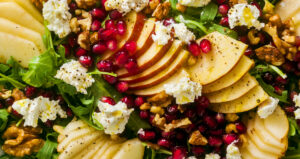
Ingredients
Pomegranate Vinaigrette
- 1/4 cup Pomegranate juice
- 1/4 cup honey
- 1 tablespoon apple cider vinegar
- 1 tablespoon Dijon mustard
- 1/2 cup olive oil
Salad
- 3 apples
- 3 pears
- 4 cups mixed salad greens
- 1 cup roasted pecans
- Bleu cheese or feta crumbles
Directions
Pomegranate Vinaigrette
In a large measuring cup, combine pomegranate juice, honey, vinegar, and mustard. Whisk together until well-combined. Continue to whisk as you add in olive oil to emulsify. Set dressing aside.
Apple Pear Salad
- In a medium bowl, pour about 1/2 cup of Pomegranate Vinaigrette. Core and thinly slice apples and pears, adding to the bowl and tossing in the vinaigrette.
- In another large serving bowl, combine salad greens, toasted pecans, cheese crumbles and pomegranate seeds. Using a slotted spoon, remove fruit from dressing and add into the salad bowl.
- Serve salad with Pomegranate Vinaigrette Dressing.

Related Posts