
How Food Affects Mood
Food is more than just fuel for your body, it also plays an important role in how you feel each day.
Food is more than just fuel for your body, it also plays an important role in how you feel each day. The foods you eat provide the energy, vitamins, and minerals your body needs to function properly and stay healthy. While nutrition supports your physical health, it also has a strong connection to your brain and overall mood.
Your digestive system is home to trillions of tiny microorganisms, mostly bacteria, that live in your large intestine. Together, they make up what is called the “gut microbiome.” These helpful bacteria assist with digesting fiber and producing important vitamins like B12 and K. They also communicate with your brain and help influence the production of chemicals such as dopamine and serotonin, which play a key role in regulating mood.
 Your brain is always working, even while you sleep. It controls your thoughts, memory, movement, digestion, breathing, and heartbeat. Because it does so much, your brain needs a steady supply of nourishment. It functions best when you eat high-quality foods rich in vitamins, minerals, and antioxidants.
On the other hand, diets high in refined sugars may have negative effects on the brain. These foods can interfere with how your body manages blood sugar and insulin, and they may increase inflammation. Some research suggests that regularly eating high-sugar foods may be linked to reduced brain function and may worsen symptoms of mood disorders, such as depression.
Eating a balanced, nutrient-rich diet can help keep your blood sugar steady and support a more even mood.
You may have noticed feeling irritable or “hangry” when you skip a meal. This is often due to low blood sugar. When your brain doesn’t get the fuel it needs, it can be harder to manage emotions, and your body may release stress hormones that can lead to feelings of frustration or irritability.
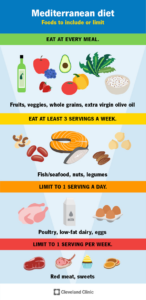
If you are looking for a healthy way of eating to support both your body and your mood, consider the Mediterranean-style diet. Studies show that people who follow this pattern of eating may have a 25–35% lower risk of depression compared to those who eat a typical Western diet. This approach emphasizes vegetables, fruits, whole grains, nuts, seeds, beans, fish, and seafood, along with moderate amounts of lean meats and dairy. Olive oil is the main source of fat, and processed foods and added sugars are limited. As you make these choices, take note of how you feel—both physically and emotionally.
Try This Refreshing Salad for Warmer Days

Spinach Salad with Orange Vinaigrette
Adapted from recipes.heart.org
Servings: 4
Ingredients
- 6 oz. fresh spinach
- 2 medium tomatoes, sliced
- 1 oz. crumbled goat cheese or feta (about ¼ cup)
- 2 tablespoons sliced almonds
- 2 teaspoons olive oil
- 2 medium green onions, thinly sliced
- ¼ cup freshly squeezed orange juice
- 2 tablespoons white wine vinegar
- 1 tablespoon brown sugar
- 1/8 teaspoon black pepper
Directions
- In a large serving bowl, layer the spinach, tomatoes, cheese, and almonds.
- In a small skillet, heat the olive oil over medium heat, swirling to coat the pan. Add the green onions and cook for 1–2 minutes, stirring occasionally, until they are just tender.
- Stir in the orange juice, vinegar, brown sugar, and black pepper. Let the mixture simmer for 1–2 minutes, or until the sugar dissolves and the dressing is warmed through.
- Pour the warm dressing over the salad just before serving and toss gently, if desired.