“Superfoods” for Seniors

The term “superfood” is a popular marketing term that does not have an official scientific or legal definition.
It generally refers to foods that are minimally processed and packed with nutrients, such as vitamins, minerals, and antioxidants. These foods can support a healthy gut, brain, and heart. They may also help strengthen bones and muscles, support digestion, and lower the risk of certain chronic diseases.
It is important to remember that no single food can cure a disease or make up for an unhealthy diet. Eating specific foods or following a special diet should never replace medical treatment.
Although the term “superfood” is often overused, some nutrient-rich foods offer many health benefits. These foods may be especially helpful for older adults. They include leafy green vegetables, blueberries, nuts and seeds, eggs, salmon and other fatty fish, plain Greek yogurt, and avocados.
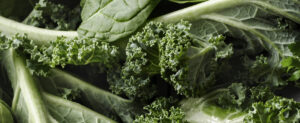
Leafy Green Vegetables
Leafy green vegetables, such as kale, spinach, collard greens, broccoli, Swiss chard, romaine lettuce, leaf lettuce, mustard greens, arugula, bok choy, and Brussels sprouts, are excellent sources of fiber, carotenoids, and vitamins A, C, and K.
Aim to eat about one to two servings each day to support eye, heart, and bone health.
If you take blood thinners such as warfarin (Coumadin), the vitamin K in leafy greens may affect how your medication works. Talk with your healthcare provider about how much vitamin K you should eat. You do not necessarily need to avoid these foods.
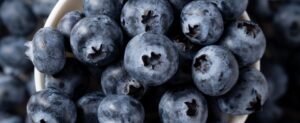
Blueberries
Blueberries are naturally low in calories and contain no fat or sodium. One cup has about 80 calories and 3.6 grams of fiber. Blueberries are also rich in vitamin C, vitamin K, manganese, and other plant-based nutrients.
Their deep blue color comes from natural compounds called anthocyanins. These compounds may help support brain and heart health, protect cells from damage, and support cognitive function.
Try adding blueberries to cereal, oatmeal, yogurt, smoothies, or baked goods. You can also enjoy them as a snack. Both fresh and frozen blueberries are healthy choices.
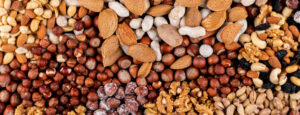
Nuts and Seeds
Nuts and seeds provide plant-based protein, fiber, antioxidants, and heart-healthy fats. Chia seeds, hemp seeds, and flaxseeds are excellent sources of omega-3 fatty acids, which support heart health.
Chia seeds are also rich in fiber and may help support healthy blood sugar, blood pressure, and cholesterol levels.
Nuts and seeds are high in calories, so a small portion is often enough. Try adding them to recipes or enjoying a small handful as a snack.
You can blend nuts and seeds into pesto and sauces, add them to baked goods, or sprinkle them over salads and stir-fry dishes.

Eggs
Eggs are an excellent source of protein, vitamin B12, vitamin D, selenium, and choline. These nutrients help support muscle health and brain function.
Research has found that the cholesterol in egg yolks does not raise blood cholesterol levels in most people. According to the American Heart Association, one egg per day is likely a healthy choice for most people.
Eggs are not just for breakfast! Try a hard-boiled egg as a snack or on top of a salad. You can also enjoy an omelet or frittata for dinner.

Salmon and Other Fatty Fish
Salmon and other fatty fish, such as anchovies, herring, mackerel, sardines, and some types of tuna, provide heart-healthy omega-3 fatty acids and protein. They are also lower in saturated fat than many other animal-based protein sources.
The American Heart Association recommends eating at least two servings of fish each week to support heart health.
Fresh, frozen, and canned fish are all healthy options. Oysters and mussels also provide valuable nutrients and can be part of a balanced diet.

Plain Greek Yogurt
Plain Greek yogurt is an excellent source of calcium and protein. One cup provides about 15 to 17 grams of protein, depending on the brand.
Greek yogurt may also contain live bacterial cultures, known as probiotics, which can help support a healthy gut.
Plain Greek yogurt is a versatile food. You can use it in recipes, replace sour cream with it, or add it to salad dressings. Enjoy it with fresh or frozen fruit, or top it with nuts or granola.
Choosing plain Greek yogurt allows you to control how much sweetness you add and customize the flavor to your liking.
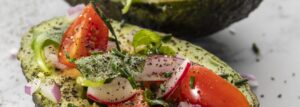
Avocados
Avocados contain heart-healthy monounsaturated fats, fiber, and antioxidants. They are also rich in carotenoids and potassium.
The combination of healthy fats and potassium may help support heart health. Some studies suggest that avocados may also help with blood sugar control because of their fiber and unsaturated fat content.
Two carotenoids found in avocados, lutein and zeaxanthin, may help protect eye health and lower the risk of age-related macular degeneration and cataracts.
Try enjoying half an avocado with a squeeze of lime as a snack. You can also add avocado to toast, salads, and sandwiches or blend it into a smoothie.
Making Healthy Choices Every Day
Although the term “superfood” is a popular buzzword, eating more nutrient-rich, minimally processed foods is a healthy goal.
Try adding a little more of these foods to your meals and snacks throughout the day. Fresh, frozen, and canned foods can all help you eat well while staying within your budget.
When choosing canned foods, look for options without added salt or sugar. Rinsing canned foods before eating them can also help reduce their sodium content.
The foods we eat can support our health, but no single food or special diet should replace medical treatment.
Try this simple, healthy recipe for blueberry muffins!
Healthy Blueberry Muffins
Adapted from The Plant-Based School (theplantbasedschool.com)

Ingredients
Wet Ingredients
- 1½ cups blueberries, fresh or frozen*
- 3 large ripe bananas (about 1½ cups mashed)
- 1 large egg
- ½ cup Greek yogurt
- ¼ cup honey or maple syrup
- 2 teaspoons vanilla extract
Dry Ingredients
- 1½ cups all-purpose flour
- ¼ cup hemp seeds (optional)
- 1 cup rolled oats
- 2 teaspoons baking powder
- ½ teaspoon baking soda
- ½ teaspoon cinnamon
- A pinch of salt (optional)
Directions
- Preheat the oven. Preheat the oven to 350°F (180°C). Prepare a 12-cup muffin pan.
Tip: These muffins are naturally a little sticky because they do not contain oil. Lightly grease the paper liners, or skip the liners and grease a nonstick muffin pan to help the muffins release easily after baking.
- Mix the wet ingredients. In a large bowl, mash the bananas until mostly smooth. Add the egg, Greek yogurt, honey or maple syrup, and vanilla extract. Mix well.
- Add the dry ingredients. Add the flour, hemp seeds, rolled oats, baking powder, baking soda, cinnamon, and salt. Stir gently until the ingredients are just combined. Do not overmix.
- Add the blueberries. Gently fold the blueberries into the batter to keep them from breaking apart.
- Fill the muffin pan. Spoon the batter into the muffin cups, filling each one to the top.
- Bake the muffins. Bake at 350°F for about 22 minutes, or until a toothpick inserted into the center of a muffin comes out mostly clean.
- Cool before serving. Let the muffins cool in the pan for 5 minutes. Then transfer them to a cooling rack and allow them to cool completely before removing the paper liners.
*Note: If using frozen blueberries, do not thaw them before adding them to the recipe.
.