How Sweet It Is
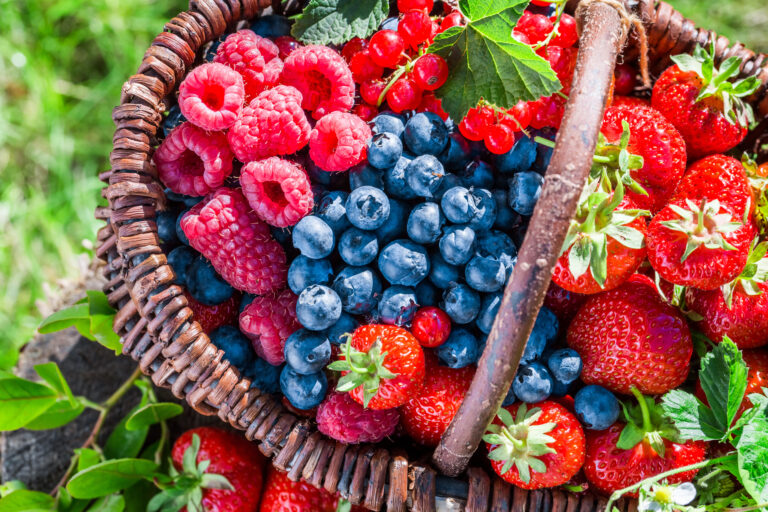
Discover Healthier Ways to Satisfy Your Sweet Tooth
With the release of the 2025–2030 Dietary Guidelines for Americans, sugar is once again an important nutrition topic.
The updated guidelines recommend limiting added sugar as much as possible. Added sugars should make up less than 10% of your daily calories. For most adults, this equals about:
• 6 teaspoons of added sugar per day for women
• 9 teaspoons of added sugar per day for men
On average, adults in the United States consume much more than these recommendations. Too much added sugar can increase the risk of:
• Weight gain and obesity
• Type 2 diabetes
• Heart disease
Understanding Added Sugar
Knowing the difference between added sugars and naturally occurring sugars can be confusing.
Food packages often contain marketing claims that can be misleading. Learning how to read nutrition labels and ingredient lists can help you make healthier choices. It can also help you find foods with less added sugar and prepare tasty treats using naturally sweet ingredients.
Reading the Nutrition Facts Label
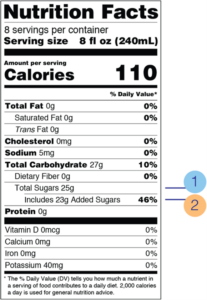
In 2016, the U.S. Food and Drug Administration (FDA) updated Nutrition Facts labels to include a separate line for Added Sugars on packaged foods and beverages.
Some foods naturally contain sugar, including:
• Fruit
• Milk
• Yogurt
These foods also provide important nutrients such as fiber, vitamins, minerals, and protein.
On a Nutrition Facts label:
1. Total Sugars includes both naturally occurring sugars and added sugars.
2. Added Sugars includes only sugars added during processing or preparation.
Examples of added sugars include:
• Sucrose
• Dextrose
• Honey
• Syrups
• Concentrated fruit or vegetable juices used as sweeteners
Sugar-sweetened beverages are the largest source of added sugar in many diets. These include:
• Regular soda
• Energy drinks
• Sweet tea
• Sweetened fruit drinks
• Other common sources of added sugar include baked goods, desserts, candy, and other sweets.
Names for Added Sugar
Added sugars can appear under many different names on ingredient lists. Look for ingredients such as:
| • High-fructose corn syrup | • Rice syrup | • Dextrose | • Beet sugar | • Fruit juice concentrate |
| • Agave syrup | • Fructose | • Sucrose | • Turbinado sugar | • Honey |
| • Corn syrup | • Glucose | • Cane sugar | • Maltose | • Molasses |
Keep in mind that some foods naturally contain sugar. For example, plain yogurt and 100% fruit juice contain naturally occurring sugars, which are not considered added sugars.
Tips for Cutting Back on Added Sugar
The first step is to check the labels on the foods and drinks you buy.
When shopping:
• Read the Nutrition Facts label.
• Look at the amount of Added Sugars.
• Check the ingredient list for different names of sugar.
Choose naturally sweet foods such as:
• Bananas
• Berries
• Dates
• Sweet potatoes
Try adding berries or mashed banana to oatmeal or plain yogurt for natural sweetness.
Many recipes use fruits and vegetables as the main sweetener, allowing you to enjoy something sweet while also getting important nutrients.
Did You Know?
One can of regular soda contains about 10 teaspoons of added sugar. That is more than the recommended daily limit for both men and women.
Healthier Drink Choices
When deciding what to drink, remember that water is the best choice.
Other healthy options include:
• Unsweetened tea
• Unsweetened coffee
• Plain milk
• Unsweetened plant-based milk
• Unsweetened sparkling water
• Seltzer flavored with natural fruit essence
You can gradually train your taste buds to enjoy less sugar by:
• Using less sugar in your coffee or tea
• Replacing sugary drinks with unsweetened options
• Choosing water more often
Key Nutrients for Immune Health
Vitamin A helps protect against infections by keeping the skin and tissues in the mouth, stomach, intestines, and respiratory system healthy.
Sources: Orange and red fruits and vegetables such as carrots, apricots, and bell peppers.
Vitamin C supports the formation of antibodies and the production, function, and movement of white blood cells.
Sources: Citrus fruits such as oranges and grapefruit, along with strawberries and tomatoes.
Vitamin D helps regulate antimicrobial proteins that can directly kill pathogens.
Sources: Sunlight, fatty fish like salmon, egg yolks, and fortified dairy products.
Vitamin E acts as an antioxidant, helping protect cell membranes from damage caused by free radicals.
Sources: Seeds, nuts, vegetable oils, and peanut butter.
Zinc is important for the development and maturation of immune cells, the production of antibodies, and regulation of immune response. A deficiency may lead to increased susceptibility to infection, delayed wound healing, and impaired immune response.
Sources: Meat, fish, seafood, eggs, dairy products, nuts, seeds, beans, and whole grains.
Iron is a component of enzymes that help support immune function.
Sources: Red meat, beans, nuts, and fortified breakfast cereals.
Key Nutrients for Immune Health
A healthy lifestyle is the foundation of a healthy immune system. As with general good health, the Mediterranean Diet is often recommended to support immune function. This means eating more whole foods, fruits, vegetables, whole grains, beans, and healthy fats such as olive oil, avocado, nuts, and seeds.
Try to minimize ultra-processed foods, which often contain excessive sugar and saturated fats that may weaken immune function and contribute to chronic inflammation. It is also important to limit added sugars and alcohol and to stay hydrated, since water is essential for all bodily functions. In addition, aim for good sleep, regular physical activity, and stress management.
Try This Low-Added-Sugar Recipe
No-Bake Berry Crumble
Adapted from twokooksinthekitchen.com
Yield: 8 servings
Ingredients
Berry Filling
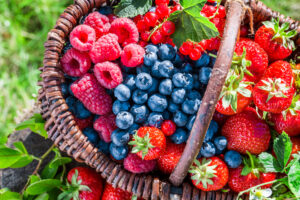
• 6 cups mixed berries (blueberries, raspberries, and/or sliced strawberries)
• 1 teaspoon maple syrup or honey (optional)
• ½ teaspoon orange zest (optional)
Nut-Date Topping
• 1 cup pecans
• ½ cup walnuts
• ½ cup pitted dates, chopped
• ½ teaspoon cinnamon
Directions
1. Wash and dry the berries. Place them in a 9×9-inch or 10×10-inch baking dish. If using orange zest, toss it with the berries.
2. To make the topping, place the pecans, walnuts, dates, and cinnamon in a food processor. Pulse 8–10 times until coarsely chopped.
3. Sprinkle the topping evenly over the berries.
4. Serve as is, or top with plain yogurt or a small amount of whipped cream.